
Do I have CHS? A 60-second self-check
Eight quick questions based on the clinical criteria doctors use. Your answers stay on your device — nothing is stored or sent anywhere. This is an educational check, not a diagnosis.
What scromiting means
A mash-up of screaming and vomiting: intense, repeated vomiting with waves of abdominal pain severe enough to make people cry out. The medical name is cannabinoid hyperemesis syndrome (CHS).
The word started as emergency-room slang and first hit headlines around 2017, when ER doctors began describing a strange pattern: heavy cannabis users arriving doubled over, vomiting relentlessly, and screaming from stomach pain. It went fully mainstream in late 2025 after a new round of national coverage.
People also search for this as "scromiting weed disorder" or "scromiting condition" — they are all the same thing: the hyperemetic (severe vomiting) phase of CHS.
Is scromiting real?
Yes. The slang is new, but the condition is well documented in medical literature.
CHS was first described in 2004 by Allen and colleagues, who reported a series of chronic cannabis users in South Australia with cyclical vomiting that stopped when they quit. Since then it has been the subject of hundreds of papers, including a clinical review in JAMA (2024), and it has its own diagnostic criteria under the Rome IV classification of gut-brain disorders.
It is also getting more common. Emergency departments in states with legal cannabis have reported sharp rises in cannabis-related vomiting visits, and one 2018 study (Habboushe et al.) estimated that up to roughly 2.7 million U.S. adults who use cannabis near-daily may experience CHS-like symptoms each year.
Skepticism usually comes from one surprising fact: cannabis is famous for preventing nausea. Both things are true — and that paradox is exactly what defines CHS.
What causes it
Long-term, frequent THC exposure — typically daily or near-daily use for a year or more — appears to dysregulate the cannabinoid (CB1) receptors that help control nausea and gut movement.
In occasional use, THC activates those receptors briefly and suppresses nausea. With constant heavy exposure, the system adapts — and in some people the effect flips:
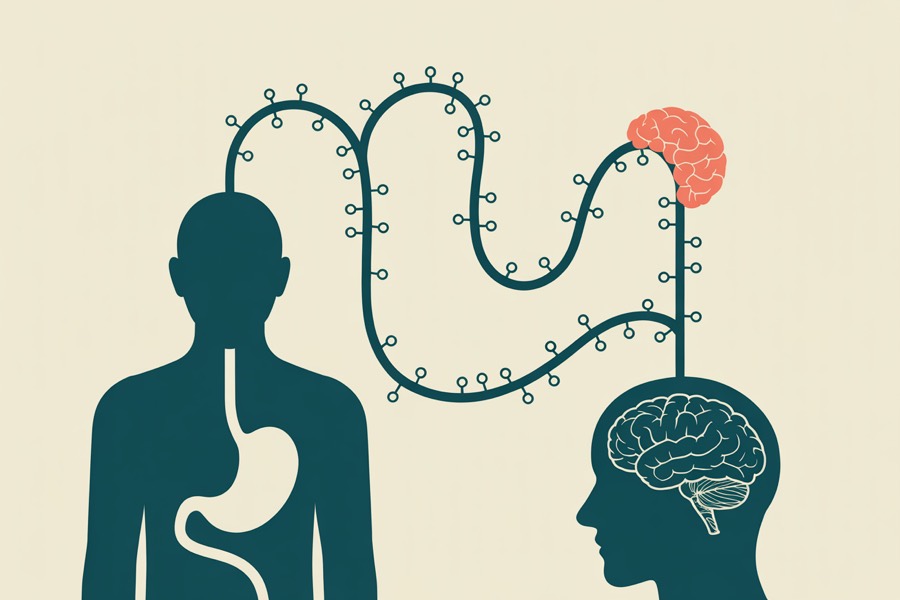
Why some heavy users develop CHS and others never do is still unknown — genetics are suspected. What is clear from case series: today's high-potency flower, dabs, and concentrates mean far more THC exposure than a decade ago, and CHS reports have climbed alongside potency.
One thing that does not cause scromiting: a single bad session. Feeling sick during one high is a different thing — that is greening out.
Symptoms and the three stages
CHS moves through three recognized phases — and most people have no idea the early one is happening.
| Stage | What it looks like | How long |
|---|---|---|
| 1. Prodromal | Morning nausea, queasiness around food, occasional stomach discomfort. Cannabis still seems to help, so many people smoke more. | Months to years |
| 2. Hyperemetic | The scromiting phase: waves of intense vomiting (sometimes dozens of times a day), severe cramping abdominal pain, sweating, and compulsive hot showers for relief. | 24–48 hours per episode, recurring |
| 3. Recovery | Symptoms fade after stopping THC. Appetite and normal digestion return. | Days to weeks after quitting |
The hot-shower tell
The strangest and most specific sign of CHS: hot water makes it better.
The leading explanation involves TRPV1 — the same heat-sensing receptor that responds to capsaicin, the compound that makes chili peppers hot. Heat on the skin seems to quiet the misfiring gut-brain signaling. It is so characteristic that ER doctors treat "the hot showers question" as a diagnostic clue, and some emergency departments apply capsaicin cream to the abdomen as a treatment.
If you are a daily cannabis user and you have discovered that scalding showers are the only thing that settles your stomach — that is not a quirk. That is the textbook sign.
How long recovery takes
Most people start feeling better within days of fully stopping THC, and many are dramatically better within one to two weeks. Full recovery can take a month or more.
| Timeframe | What typically happens |
|---|---|
| First 48 hours | Roughest stretch — vomiting settles, rehydration matters most. |
| Week 1–2 | Nausea fades, appetite returns, sleep improves. Many people feel mostly normal. |
| Month 1+ | Digestion fully stabilizes. Occasional lingering queasiness resolves. |

Two hard truths from the case literature: relief only comes from stopping all THC (cutting back rarely works, and edibles or vapes count), and symptoms usually come back if regular use resumes — sometimes after a single return to daily smoking.
"How long until I can smoke again?" is the most common follow-up question. The honest answer from published case series: people who return to regular use overwhelmingly relapse. Some report tolerating rare, occasional use after months fully symptom-free — but there is no established safe threshold, and clinicians advise against testing it.
What to do about it
There is exactly one known cure: stopping THC. Everything else manages symptoms while your system resets.
For the episode itself, published care patterns include:
- Hot water — showers or baths, the reliable short-term relief.
- Capsaicin cream (0.075%) on the belly — used in ERs, same TRPV1 mechanism as heat.
- ER medications — certain anti-nausea and antipsychotic medications (like droperidol or haloperidol) often work where standard anti-nausea drugs fail.
- Small sips of electrolyte drinks — fighting dehydration between waves.
For actually ending it: stop THC completely and give it two weeks before judging. If quitting keeps not sticking, that is common — cannabis dependence is real, and support helps. The SAMHSA National Helpline is free, confidential, and open 24/7: 1-800-662-4357. Your regular doctor is also a fine place to start; CHS is well known enough now that you likely will not have to explain it.
Frequently asked questions
Can CHS kill you?
CHS itself is rarely fatal, but its complications can be. A small number of deaths linked to untreated CHS have been reported, caused by severe dehydration and electrolyte imbalance from relentless vomiting — which is why an ER visit for a severe episode is the safe call, not an overreaction.
Is CHS permanent?
No. In published case series, symptoms resolve after sustained, complete THC cessation — usually within days to weeks. The vulnerability seems to persist, though: returning to regular use typically brings symptoms back.
How long after CHS can I smoke again?
There is no established safe amount or timeline. Case reports consistently show relapse when regular use resumes, even after long symptom-free stretches. Clinicians' standing advice is that with a CHS history, THC is simply no longer compatible with your gut.
Scromiting vs. greening out — what's the difference?
Greening out is a one-time reaction to taking too much THC in a single session: dizziness, nausea, anxiety that passes in hours. Scromiting (CHS) is a recurring illness in long-term daily users that shows up as repeated violent vomiting episodes, often relieved by hot showers. One bad night is almost certainly not CHS — we cover the difference at whatisgreeningout.com.
Is CHS the same as cyclic vomiting syndrome (CVS)?
They look nearly identical in the ER — recurring vomiting episodes with calm stretches between. The key differences: CHS occurs in chronic cannabis users, is strongly linked to hot-shower relief, and resolves with THC cessation. CVS occurs regardless of cannabis use. Doctors often distinguish them by what happens after several months without THC.
Does CBD cause CHS?
CHS is tied to THC exposure. Pure CBD has not been established as a cause, but many CBD products contain meaningful THC, and animal data suggest high-dose CBD may worsen the syndrome. With a CHS history, the cautious move is avoiding cannabinoids across the board.
Sources
This page was fact-checked against the following sources on 2026-07-18:
- JAMA (2024): Cannabinoid Hyperemesis Syndrome — clinical review — diagnosis, phases, treatment evidence
- Cleveland Clinic: Cannabis Hyperemesis Syndrome — symptoms, stages, recovery expectations
- Allen JH, et al. Gut (2004) — first published case series describing the syndrome
- Sorensen CJ, et al. Journal of Medical Toxicology (2017) — systematic review; hot-bathing relief prevalence, diagnostic characteristics
- Habboushe J, et al. Basic & Clinical Pharmacology & Toxicology (2018) — prevalence estimate among near-daily users
- University of Colorado Anschutz — 'Scromiting' Is Real — emergency-medicine perspective, term usage
- New York Office of Cannabis Management — CHS FAQ — state health guidance one-pager